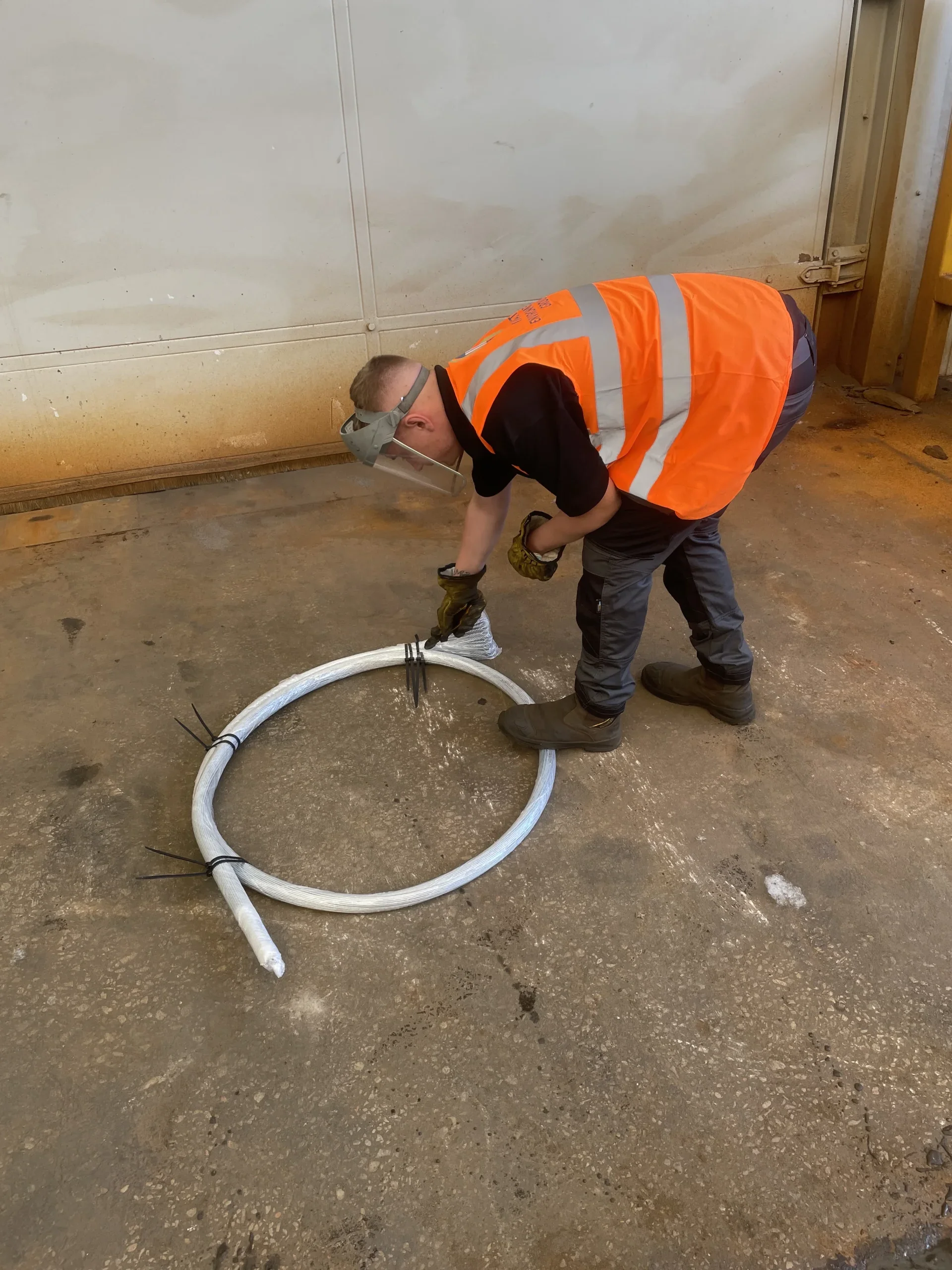
A Practical Guide to Handling Coiled Cut & Loop Baling Wire
For recycling operators, waste processors, distribution centres and manufacturers, baling wire is a critical consumable that keeps operations moving.
But while baling wire is essential to maintaining efficient waste handling and recycling processes, improper handling can create:
- Safety risks
- Equipment damage
- Downtime
- Reduced bale quality
Understanding how to correctly handle and use coiled cut and loop baling wire helps improve both site safety and operational performance.
This guide outlines best practices for storing, opening and using baling wire safely. Information adapted from the IEG handling and usage guide.
Why Choosing the Right Baling Wire Matters
Not all baling wire is the same.
Selecting the correct:
- Gauge
- Tensile strength
- Coil type
…ensures compatibility with your baler and helps maintain reliable bale integrity.
Using incorrect or damaged wire can lead to:
- Machine strain
- Poor bale retention
- Increased maintenance
- Operator safety concerns
Before use, always ensure your baler is compatible with the wire specification being used.
Safe Handling Starts Before Use
Baling wire coils retain tension from the manufacturing process, meaning they can rapidly uncoil if opened incorrectly.
Because of this, operators should always:
- Wear appropriate PPE
- Handle coils on flat, stable surfaces
- Keep surrounding areas clear
The guidance document strongly recommends:
- Cut-resistant gloves
- Protective eyewear
- Steel-toe footwear
- Appropriate manual handling practices
How to Open Coiled Baling Wire Safely
One of the biggest risks when handling baling wire comes during unpacking.
The coil retains “memory” from manufacturing and may spring outward when cable ties are removed.
Recommended process:
- Place the coil flat on the ground
- Ensure no pedestrians are nearby
- Keep a foot securely positioned on the coil
- Cut cable ties gradually
- Work from the “tail end” toward the “loop end”
The visual handling sequence shown in the guide demonstrates how the wire releases outward across the floor as ties are removed.

Proper Storage Extends Wire Performance
Incorrect storage conditions can lead to:
- Corrosion
- Reduced tensile performance
- Feeding issues within machinery
To maintain wire quality:
- Store coils indoors
- Keep wire dry and ventilated
- Avoid corrosive environments
- Restrict access to trained personnel only
Safe Feeding & Use During Baling Operations
Once opened, baling wire must still be handled carefully throughout operation.
Best practice includes:
- Only trained operators feeding wire into balers
- Checking for kinks, rust or damage before use
- Maintaining machine guards and emergency stops
- Keeping distance from tensioned wire during operation
Sudden tension release can cause serious injury, making proper training and PPE essential at every stage.
Common Causes of Baling Wire Issues
Operational issues are often caused by:
- Incorrect wire specification
- Moisture exposure
- Poor storage conditions
- Improper opening techniques
- Damaged or kinked wire
Addressing these factors helps:
- Reduce downtime
- Improve bale consistency
- Protect machinery
- Extend operational efficiency
Supporting Safer, More Efficient Waste Operations
Reliable baling performance depends on more than machinery alone.
Using high-quality baling wire correctly helps operators:
- Improve operational safety
- Reduce maintenance interruptions
- Produce secure, transport-ready bales
- Optimise recycling and waste handling workflows
For high-volume operations, even small improvements in handling processes can deliver significant operational benefits.
Choosing the Right Baling Wire Supplier
A strong baling wire supplier should provide:
- Consistent wire quality
- Multiple gauges and specifications
- Technical guidance
- Reliable stock availability
- Support for a range of baler types
At IEG, we support operators with baling wire solutions designed for reliable performance across demanding waste and recycling environments.
Need Baling Wire for Your Operation?
Whether you operate:
- Vertical balers
- Horizontal balers
- High-volume recycling systems
…choosing the correct wire specification is essential for safe and efficient operation.
Explore our baling wire
Speak to our team about baler compatibility and wire specification